A Denver Urban Spectrum column

This content is available in print and on-line at Denver Urban Spectrum as a monthly column.
Showing posts with label trauma. Show all posts

Tuesday, June 3, 2014

Good Grief for Kids


“My son was 6 years old when my father unexpectedly passed. Popo was the only man in his life at the time. The day my baby boy was born, Popo was there to thump his forehead as if it were a melon while saying something to the effect of “oh, we’ve got a smart one here.” Popo packed my little one around everywhere he went showing him the ways of the world, talking to him and using his wisdom to teach him the secrets of growing up and becoming a man. Blinded by my loss, I never thought about how my son was dealing. To my surprise I learned my son was grieving several months after the funeral, when I received a phone call from his 1st grade teacher. My son had written a short story about losing his Popo. There was so much detail in his story and the picture he drew, that it was like reliving the loss all over. The teacher was just as surprised and had his story published. I never realized or imagined how much grief he was dealing.”

The term “Good Grief” is an idiom for the keen mental suffering or distress over affliction or loss. Dealing with loss is a challenge for an adult, but what is it for our children? We often think that our young ones are too far removed from the reality of death and incarceration to feel grief and loss the way that we do.  The truth is that they know and experience more than we realize.
children-and-grief.jpg

If you have experienced a recent family loss, there are certain responses you can expect, and there are positive ways to respond and support your child. We all experience differing amounts of fear, and sadness, and anger, and guilt, in waves.  Children are no different.  Even the youngest child will experience these feelings while they are grieving.  But they may not be able to understand, clearly express, or even identify these feelings that drive their actions.Empathy is a skill that children learn. To empathize with someone begins with understanding what he is feeling or what you would feel like if you were in the situation. It is not until age 4 that a child begins to associate their own emotions with the feelings of others and age 8 that a child can grapple more complex moral decisions.
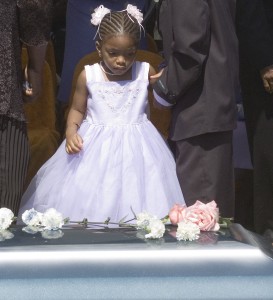
image026.jpg

Children fear what will happen to them, or to others they love.  They are sad for their own loss, and are often not able to empathize with your loss. They may be angry at the person who has left, or at those they believe are responsible.  They may be angry at surviving family members, or even with themselves for something they believe caused the loss.  Children are capable of carrying tremendous feelings of guilt and will believe themselves responsible for causing illness, death or loss, but they don’t understand these feelings and just act out on them.

Our communities are full of random loss - accidental death, prolonged illness, suicide, drug overdose, violence, incarceration, terrorism, deployment to a war zone, and even divorce or separation - can produce a grief response in children, and it is up to the adults to provide the safe, nurturing support our children need to navigate these experiences.
What can adults do?

  • Listen.  Let children talk about their grief experiences. Everyone grieves differently, let your child share their grief and feel heard.
  • Understand that there is no set time-frame for grief.  It is not a single event, but a process that will take time.
  • Avoid lies and half-truths.  Children are perceptive, and are more likely to feel that the loss is their fault if they pick up that you aren’t telling them the whole story.
  • Be patient and understand that it is very complicated to process grief at any age.
  • Take care of your own needs as well.  Your grief needs to be expressed and addressed so that you can provide support to a grieving child.

Every individual is different, but there are some general ways that children understand and cope with loss at different stages of development.

MP900422577_0.JPG

0 - 3 Infants and Toddlers - in these early years, babies will know that adults are sad, but they have no real understanding of death. They are likely to experience trust issues if their needs are not met while a family grieves. Take care to nurture and attend to infants and toddlers so that they feel safe even through your own loss.Some reactions to a change in the immediate care of an infant or toddler that indicate grief include; crying, searching as if for a lost object, changes in sleep or eating habits, regression in toilet learning.Teach empathy. The best training for empathy begins in infancy. Infants and toddlers learn the most by how their parents treat them when they are frightened, upset or cranky.

Things you can do to help;
  • physical cuddling and comfort
  • maintain routines
  • meet immediate needs
  • be patient and gentle

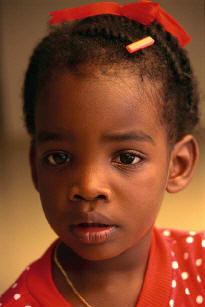
3 - 5  Preschoolers tend not to see death as a permanent thing.  Because they have a kind of magical thinking, they tend to see death as a separation and possibly as reversible or temporary. They are likely to believe that certain actions can cause death, and others can undo it.  They may experience the grief of others as frightening, and may feel helpless or guilty for not fixing it.

Some responses will include; tantrums, fighting, regression to bedwetting or thumbsucking, becoming clingy, fear of separation, talking as if the loved one is still around, fear of things they associate with the loss. Talk with your child through their emotions and feelings even if they’re 3-year olds and may be too young to comprehend what you are saying.
sadgirlinred.jpg

Things to do to help;
  • provide safe ways to express feelings (art, story telling)
  • physical contact
  • be patient with regression
  • give clear, simple, truthful answers
  • maintain structure and routines
  • include child in family rituals and mourning
  • listen and comfort
  • allow child to cry
  • encourage child to play and have fun

5 - 9  Elementary aged children can understand the finality of death.  They tend to see violence and death as things that happen to others, and not something that can happen to themselves.  They are very concrete in their thinking and will describe loss in very physical terms. They are also likely to believe in their own power and feel great guilt about having caused the loss by some thought or action.  

Some likely reactions may be: self-blame, irritability, mood swings, anger, denial, withdrawal, trouble concentrating in school, general fear for the safety of loved ones.

Things that will help;
  • provide safe ways to express feelings (music, journaling, dance, art)
  • physical contact
  • be patient with regression
  • be truthful about your own feelings
  • allow time for questions
  • give clear, honest answers
  • schedule time to be together
  • work with schools for supports
  • encourage friendships with others who have experienced loss
  • allow child to choose how to be involved with family rituals and mourning.

9 - 12  Middle school aged children are able to understand the physical realities of death - that the body is no longer functioning and can not be returned to daily life.  They are better able to empathize with others’ loss and to want to help.  They know that death will come to everyone, even themselves, and they are more likely to hide their grief for the sake of moving on.

Some of the responses likely from children in this developmental group include; decline in academic performance, repressing emotions, resentment and blame, withdrawal, isolation, crying, sleep problems, anxiety.

Things that may help;
  • expect and accept mood changes
  • find peer support groups
  • provide time to talk and console one another
  • accept comforting
  • talk honestly and openly and ask for the same
  • model how you cope with your loss
  • provide safe outlets - sports, art, journaling, etc

sadeyes.jpg

12 - 16 Tweens and adolescents are able to comprehend a loss in a more adult manner, however their reactions are more likely to be related to their stage of development.  At this age the steps toward becoming independent are the driving force in their lives, being aware that imagined futures are now altered is likely to cause anger, resentment, and frustration that the teen may deem inappropriate to express with others who are experiencing their own loss.  

Some reactions may include exaggerated; turning to friends for consolation, seeking escapes in substance or self-harm, suicidal thoughts or actions, appetite changes, numbness, physical complaints, risk-taking or thrill-seeking, rebellion, guilt, anxiety, apathy, withdrawal, declining school performance.

Things to try;
  • model appropriate coping with profound feelings
  • talk honestly & invite conversation
  • provide access to adult mentors/counselors
  • provide access to peer support groups
  • monitor risky behaviors & discuss connections to grief
  • encourage and model outlets for grief - writing, drawing etc.
  • expect and accept mood swings and hidden feelings

It can be challenging to try and help a young child while we are grieving ourselves.  When we are coping with your own feelings of loss, it may be helpful to get outside support for your youngest family members. Look for local support groups to help you both!

Wednesday, July 31, 2013

Childhood Stress - Part 2 of 3 – How do I help my child build resilience?

The Nest Matters’ Childhood Stress Part 1, addressed the effects of stress on children and why it matters. Our research indicated children that develop resilience in the form of certain character qualities are better prepared to be functioning stewards in society when it’s their time to leave the nest. This month we share the latest research from doctors and early childhood experts on how to help children build resilience.   

Some kinds of stress are extremely common - like the loss of a loved one, a natural disaster, or a failure of some kind.  Most of us bounce back from these kinds of stressors pretty readily.  Some people bounce back quickly, and others take longer, but most of us devise a route to recovery.  

Some people, however, are set back and it triggers the start of a downward spiral  One negative event can cause a person to think negatively about themselves and about the world around them.  They start looking for the failures and problems, and feel helpless to change things.  The sense of being a victim of events outside your control becomes a kind of paralyzing fear, which leads to further failure.

So what makes the difference for those who have the resilience to bounce back, and those who simply can’t cope?  According to current thinking, there are personality or character traits which lead one to move past stress. There were 9 traits identified in Part I: Persistence, Self-Control, Curiosity, Conscientiousness, Communication, Grit, Self-Confidence, Self-Regulation, and Transition Techniques. Dr. Ginsburg uses a 8 C Model of Resilience in his book “Building Resilience in Children & Teens”

- Competence - Confidence - Connection
- Character - Control - Contribution
- Coping - Care

Learn more here.

How do we help our children develop these traits?  We learned last month that eliminating the chronic stress of violent environments, and protecting our children from the day-to-day stresses of life, are the first best steps.  But what more can we do to ensure that our children have the flexibility and grit  to keep going when the odds are against them?

People who bounce back easily (bouncers) believe some things about themselves and about the world that those with less resilience (spiralors) do.

bouncers believe that
1. Innate ability is less important than Effort (persistence)
2. They can make a difference (agency)
3. Accolades earned are more valuable than prizes won (effort)
4. The world is neutral (fair) and not out to get them
5. Bad things can happen to anyone (imbalance) and can happen repeatedly
6. Anything can be overcome (positivity)


spiralors often believe that:

1. some people are just born smart or have a better chance than I do
2. nothing I do really matters / I can’t change things
3. the prize is what matters most / I don’t have a chance anyway
4. the world is against me / people are out to get me
5. for every bad thing, i’m owed a good thing / bad things happen to people who deserve it
6. some things are too bad to get over / It’s just going to get worse

So how do we teach our children to bounce back from hardship?

0 -3 Infants and Toddlers:

  • All children are born with a natural resilience. Parents can foster this natural strength and increase a child’s ability to become more resilient. Families are constantly rushing, which can create stressful environments for small kids that require lots of care. Babies need unconditional love, security, and a deep connection to at the least one adult in their life.

    • Love your baby, its that simple. Parents teach babies to love by giving love. Newborns, including toddlers are very sensitive to love and affection.  Holding them, smiling at them, singing a song, feeding them, and changing diapers – these sometimes feel like part of the routine for grownups. These regular routines show signs of love.

    • Help your child feel secure. Infants and toddlers rely on adults for everything and when a child senses danger they look for security. Children need to be reassured they are safe and being placed into safe environments. You can accomplish this by making their daily transitions smooth and consistent. Your confidence helps them to feel secure.

    • Give your child role models to connect with. Children’s ability to thrive is highly affected by the community of adults that surround them. The Nest Matters recently spoke with a mother of two that went through a bad divorce when her children were 8 months and 3 years of age. After sharing her story, she realized her children had father figures throughout their life from; their church pastor, an uncle-in-law, and basketball coach. The community around her was filling in gaps where a father’s love and teachings should have been.


elementary age students:

  • Remember to praise your child for sticking with it, for getting up and trying again, for being determined and not backing down.  Stop praising for being smart and getting good grades - focus on HOW they got there instead of the end accomplishment.  A student who overcomes challenges, persists, and puts in their best effort but gets a “C” grade, may have more of what it takes to eventually succeed than a student who pulls “A”s without really trying.  

  • Let your child make some decisions that you KNOW won’t turn out well while they are safe at home. Don’t talk them out of mixing all those flavors of soda, talk about the choice afterwards and what they might have done differently.  Let them make some mistakes - even though you know it will turn out badly, they need to experience the failure and recover from it to build resilience. Your wisdom and experience was earned, let them make mistakes and earn some wisdom themselves.

  • Give your child responsibilities at home - simple chores that support the whole family can help your child feel that they can contribute.  Let them make mistakes, just remember to talk about the effort your child gave.  Carrying in the groceries is a big job for a young child, and a dozen broken eggs is worth the cost if your child learns from her own experience to be aware and gentle.

  • Find out if your child’s school teaches GRIT. School values like perseverance, self-control, and conscientiousness will help build resilience.  And if the school doesn’t teach grit, volunteer to help out!  You can help children learn these essential values while you work one-on-one with children in the classroom, or even on a field trip!


tweens, Teens and College students:

  • Listen to your teenager attentively - it will outweigh any words you can say as parents.
  • Remember that your teen’s life is full of the stress of changing hormones. Try and be extra patient with the drama of adolescence, and always remind your child that they are bigger, stronger, and greater than any single situation.  Resilience is about getting back in the game no matter the challenge.
  • Help your child get involved in helping others.  One of the best ways for teens to get outside the hardship and struggles of teen years is by focusing on someone else’s struggles.  When your teen recognizes that they have something to offer, and that they can be a positive support for someone else, resiliency blossoms.  
  • Find a program where they can volunteer - as much as we want them to get job experience and start earning their own money, we need to ensure that they have coping tools and can make wise choices for spending that hard earned money.  
  • Understand how kids think and the social pressures that affect them. Teenagers can only begin to make positive choices when they are taught to be in control of what happens to them. Children that have a wide range of coping strategies will be better prepared to overcome stressors and are less likely to make risky choices.  

These strategies will help your child develop the resilience and grit to overcome the stress of everyday life.  When your child is a “bouncer” he will have what it takes to navigate the unexpected setbacks of life and rise above stress inducing situations.  

Some additional resources:
Security and Resilience from NAEYC
Healthy Children.org on Fostering Resiliency 
Advice for parents and teachers from the American Psychological Association

Be sure to check out Paul Tough's work if you are interested in supporting Schools in teaching Grit, and this TED talk by Angela Duckworth.


Next month concludes our series with Part 3 of “Childhood Stress” with our research and answers to the question  “How do I reduce unhealthy stress in my child’s life?” Visit our online blog http://thenestmatters.blogspot.com/ for more information. Have a question or you want to share? Send an email to thenestmatters@gmail.com.